
Origin Story
Social justice ideals as its roots, a love of photography as its driving force
The Self-Portrait Project (SPP) is an interactive art and social-engagement project built around photography — a camera, a two-way mirror and a remote control, so that participants tell their own story in their own way. It is a photo booth that is genuinely fun, where you are the subject and the shutter is in your hand; and at its best, it is a tool for empowerment, handing the voice back to people who have been overlooked or pushed to the margins.
The project was founded by Taiwanese-American photographer Andy Lin, a National Geographic Traveler photography award winner. The path back to it starts in the early 2000s, when he traveled the world with a camera documenting social movements such as the Landless Workers Movement of Brazil (MST); a gift economy in Mali; and the Zapatistas of Chiapas. It was on that road that he first realized photography and activism could be the same act.

One belief ran through all of that work: decisions are best made by those directly affected by them. Andy kept wondering what that principle would look like applied to photography — and SPP is his answer: “nothing about us without us.” In front of this mirror, whether to press the shutter and which version of yourself to keep are entirely your call. As a photographer, he deliberately steps out from behind the camera and hands authorship to the person being photographed: the subject becomes the photographer. You're the photographer; we just build the conditions.
After the 2010 Haiti earthquake, SPP joined the campaign for housing rights. Close to 250,000 Haitians had been displaced, living in camps without shelter or basic sanitation. We brought the apparatus into those camps so that people who had lost their homes could present themselves, their feelings and their stories on their own terms and with dignity — direct visual evidence of their existence and their situation.
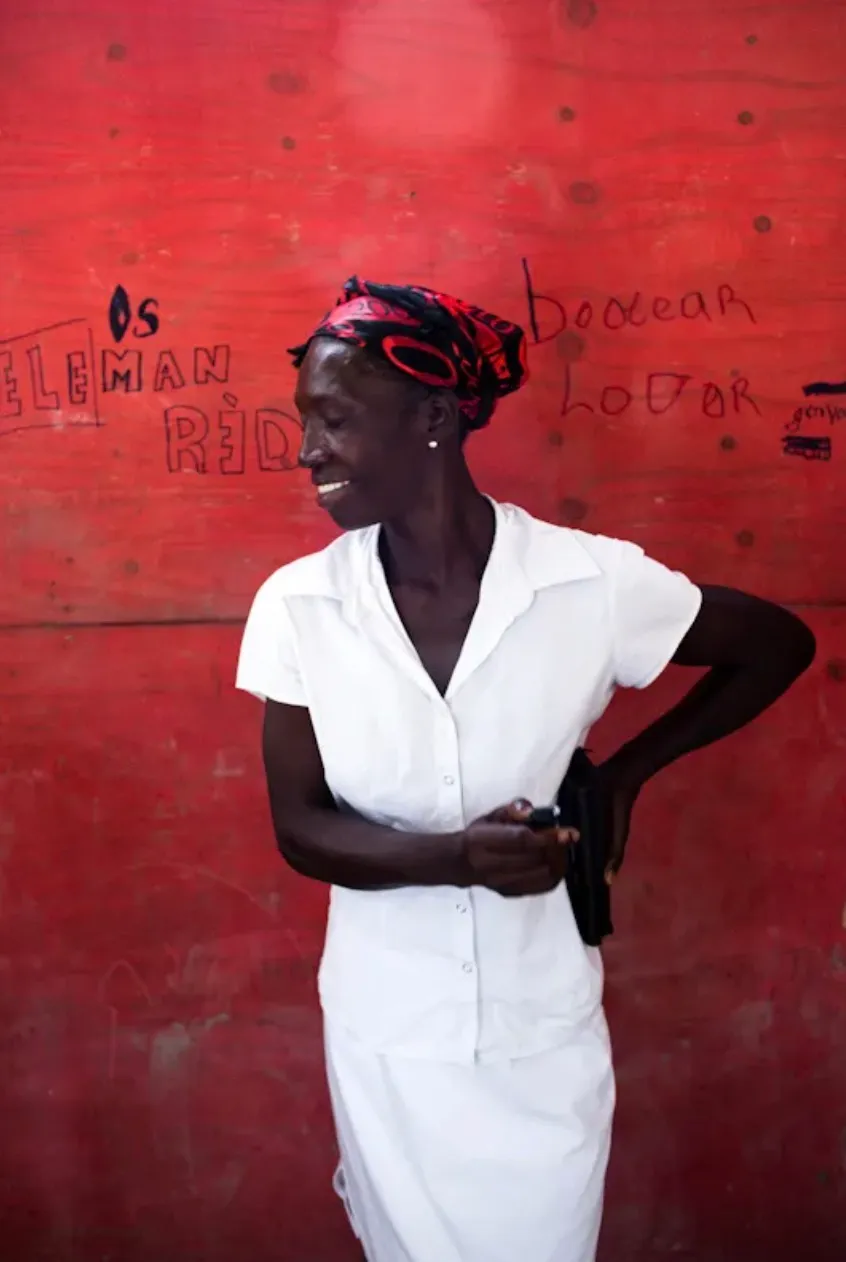
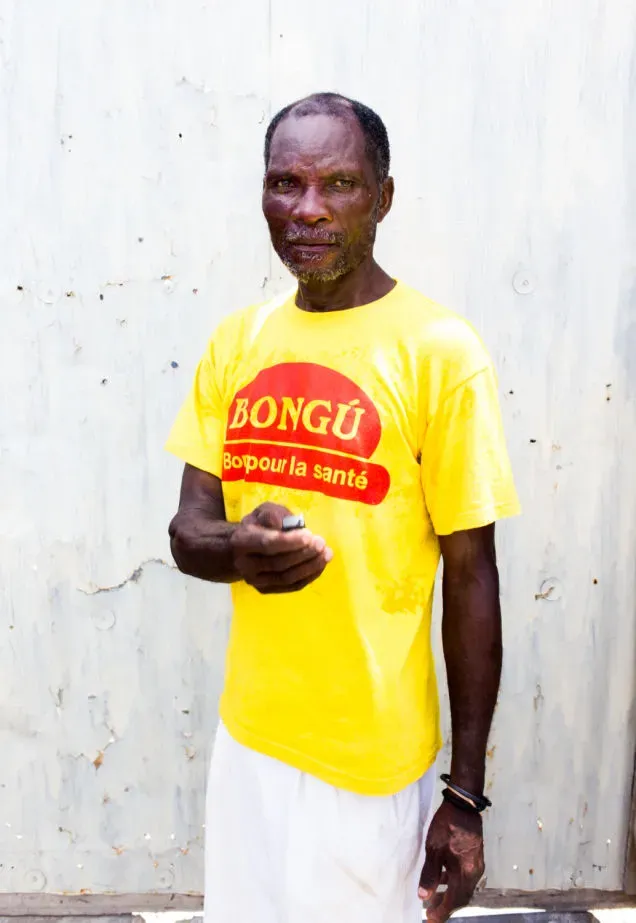
Since 2009, SPP has gathered close to a million portraits across 7 countries and 19 U.S. states. What's striking is that the same mirror has stood in camps and villages in Haiti and Palestine, and also at the Sundance Film Festival, in Times Square, and on summer streets.
Beyond festivals and art spaces, SPP also builds custom activations for brands — weddings, corporate events, brand pop-ups — carrying the act of photographing yourself into all kinds of settings. Whether the person at the mirror is a displaced resident or a film star on a red carpet, the question it asks is always the same: how do you want to be seen?
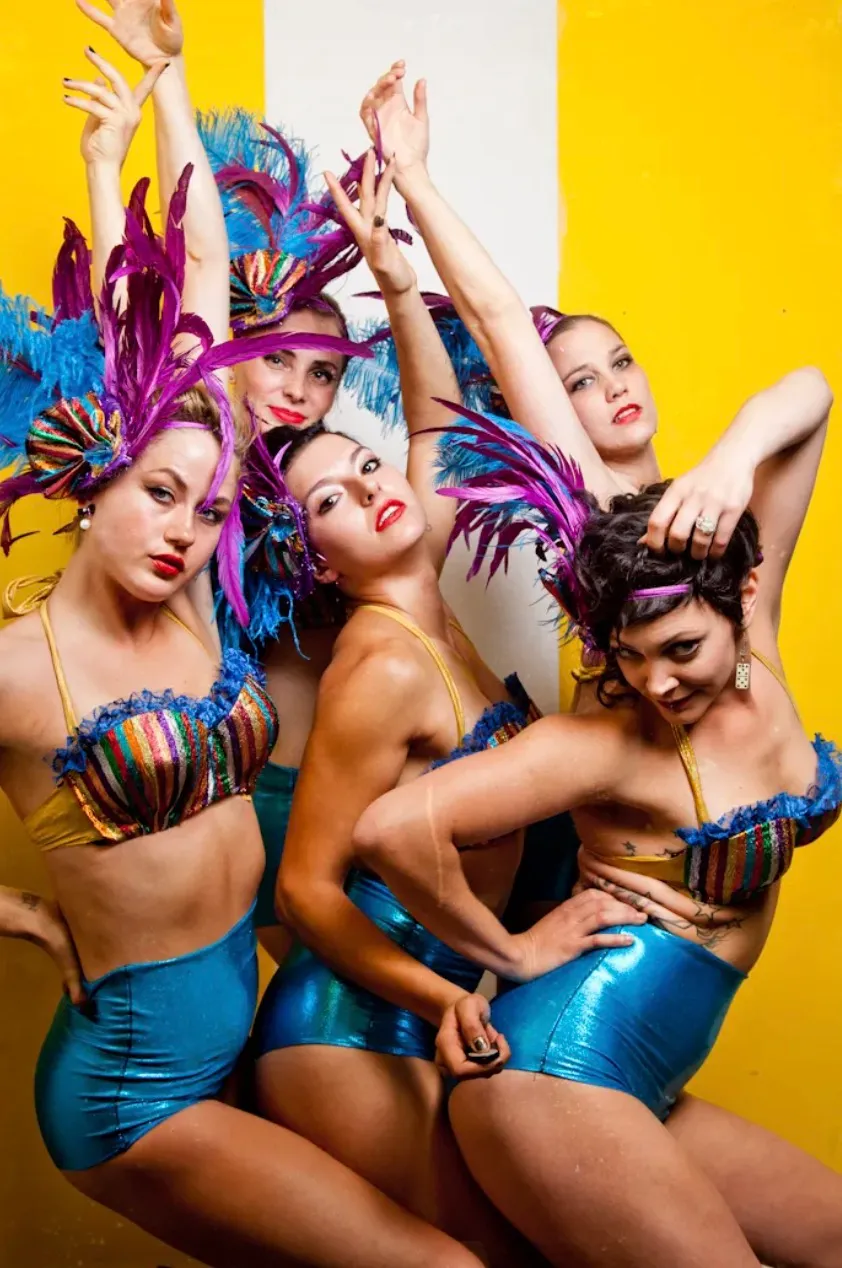
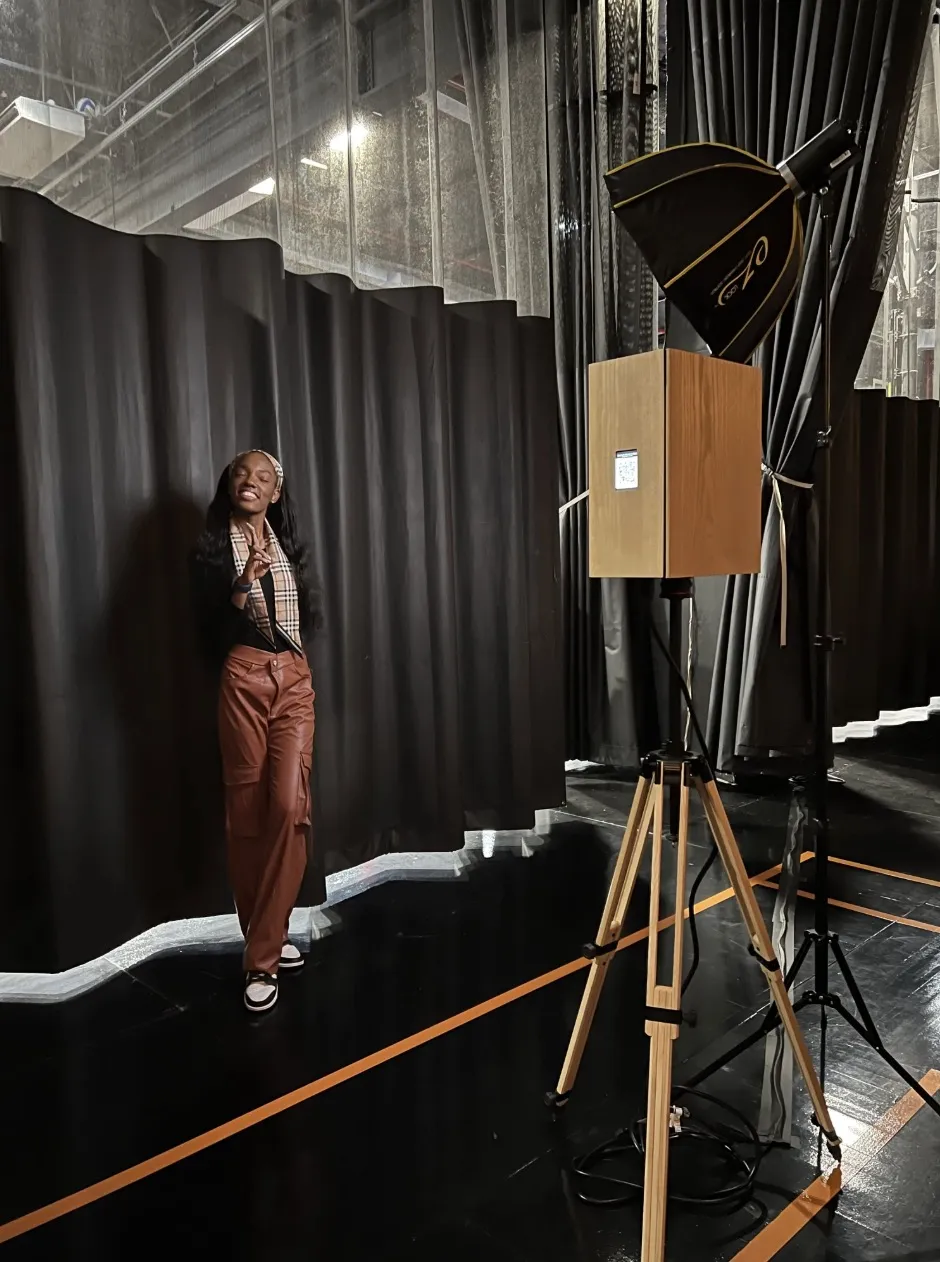
After all those years and countless portraits, what still surprises Andy most is this: as a photographer he often needs dozens or hundreds of frames to catch one good portrait, yet SPP participants tend to capture that irreplaceable version of themselves within the first few. He has always believed a good photograph is an honest one — and this mirror happens to let people drop their guard, because what you are looking at is a person in the act of looking at themselves.
SPP came to Taiwan for the first time in 2024, with its first installation at Another Brick, a bar in Taipei's Zhongzheng District, and The Self-Portrait Project Taipei was formally established in 2025. It continues to appear at major art and marketing events, giving everyone a stage to tell their own story through the lens — and to walk away with a studio-quality image.
SPP's aim is to place public mirrors in city after city, connecting communities that would otherwise stay far apart — using this method to remove the photographer's gaze, hand the shutter back to the person in front of it, and return the self-portrait to what it should be: pure self-exploration.